A Space for Birds: The Sounds of Rocky Mountain National Park: Part 1
Bernard Spragg
The Grand Canyon turned 100 this week! Lovely!
So, in honor of that celebration, I’m writing about Rocky Mountain National Park (my all-time favorite park!) and birds (something else that I love!) for my next few blog posts. I think that honoring and preserving our National Parks is so very important, as well as hanging food and water to help out our winged friends.
For me, Rocky is a place of reverence; a place where we can move and carve out a holy space in our thoughts. National Parks allow us to get up close and personal with earth.
She’s in such need of loving and protecting.
Welcome to this place called Rocky Mountain National Park!
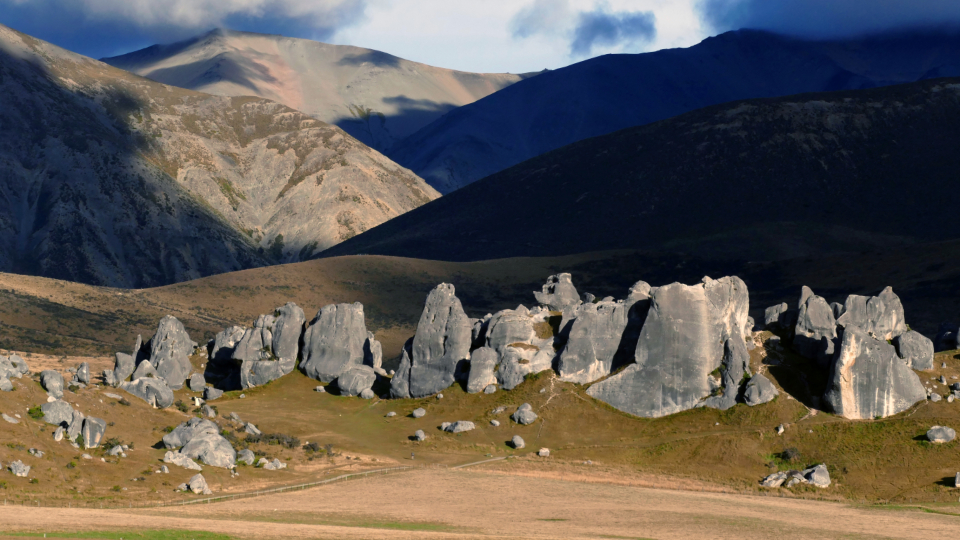
1915 was the year that Rocky Mountain National Park officially became a national park; and since then, thousands have entered its borders just to enjoy the rugged beauty. With so few unspoiled places left, Rocky offers visitors that chance to see something wholly unique to their everyday lives: a beauty so rich, that “high def.” takes on a new meaning; seeing colors that drip from the mountainside and ooze into your vision; and a landscape where movement is eternal and sound is unceasing.
Rocky Mountain National Park’s protection has created a haven for person and animal alike. Trees cling to the mountainside, unafraid of logging; deer roam its borders, protected from the hunter’s bullet; and the sweet song of the eagle greets those who listen.
Who really listen.
Unplugged from the iPhone, no computers, and cars turned off. What does it mean to listen in the 21st Century? To hear sounds that peak the curiosity and pull one back to the land? To hear its ancient call, again?
Rocky’s mountainous habitats offer a unique ecosystem to a group of bird species who live and thrive in the park. This habitat, comprised of Aspen, Ponderosa Pine, high elevation Willow, Spruce, Fir, and Alpine Tundra, attracts a very specialized group of birds:
- White-tailed Ptarmigan
- Blue Grouse
- Gray Jay
- Clark’s Nutcracker
- Williamson’s Sapsucker
- Three-toed Woodpecker
- Mountain Chickadee
- Pygmy Nuthatch
- American Dipper
- Western Tanager
- Pine Grosbeak
- Red Crossbill
- Townsend’s Solitare
- Wilson’s, MacGillvray’s and Virginia’s Warblers
- Brown-capped Rosy Finch
- Black Swift and Northern Pygmy Owl
What a joy to behold a creature in its natural habitat! Go to: nps.gov and click on “Birds” to learn more about these amazing creatures.
Call to Action: If you can’t make it to a National Park, simply stop, listen, and look for the sounds and the birds’ right outside your window.